Jul 10, 2026
Infinity KaleidoScope 6-Gobo Static Projector Guide
Short answer: The Infinity KaleidoScope 6-Gobo Static Projector loads six gobo designs into a carousel and holds it on one design at a time — no auto-rotation — for a consistent, repeatable branded look. Every unit also ships with both a 3-Prism (TriScope™) lens and a 5-Prism (PentaScope™) lens included free (a $188.88 value), so whichever gobo is showing gets multiplied into 3 or 5 symmetric copies. It runs 80W to 700W ($1,097.88–$2,947.88). Want the carousel to auto-cycle through all six designs instead of holding one? See the 6-Gobo Spin Projector guide.

Most gobo projectors put one logo on a wall. The KaleidoScope 6-Gobo Static holds six different gobo designs on a carousel and keeps it parked on one at a time — and because every unit ships with two prism lenses included free, whichever design is showing gets split into a repeating, symmetric pattern instead of a single flat image. Here's how the carousel and the bundled lenses actually work together, what it costs at each wattage, and when six gobos beats four or eight.
What is the KaleidoScope 6-Gobo Static Projector?
It's an LED gobo projector built around a six-position gobo carousel instead of the single fixed gobo slot on a standard logo projector. The carousel holds six separate gobo designs — a logo, a seasonal graphic, a monogram, whatever artwork you load — and on the Static model, the carousel is positioned once during setup and stays there. It doesn't automatically cycle through the six designs; whichever one is in the beam stays in the beam until someone manually advances it.
The second, equally important part of the KaleidoScope story is the lens. Every KaleidoScope unit — this one included — ships with both a 3-Prism (TriScope™) lens and a 5-Prism (PentaScope™) lens in the box, at no extra charge. One ships preinstalled (your choice), the other rides along as a free spare. Whichever prism lens is installed splits the single gobo design currently in the beam into 3 or 5 copies arranged in a symmetric cluster — that's the actual "kaleidoscope" visual, and it's what turns one gobo design into a full field of repeating pattern on the wall.
How it actually works: carousel + prism lens
It's worth separating the two mechanisms, because they do different jobs:
The 6-gobo carousel — which design is showing
A wheel holding six individual gobo slides. On the Static model, the wheel is locked in one rotational position after setup, so the same single design stays in the beam indefinitely — no motor running, nothing to re-align.
The prism lens — how it's multiplied
The bundled TriScope (3-Prism) or PentaScope (5-Prism) lens sits in the optical path and splits whatever single gobo design is currently in the beam into 3 or 5 copies, arranged symmetrically around the lens's facets — the effect that actually reads as "kaleidoscope."
Put together: a 6-Gobo Static unit with the 5-Prism (PentaScope) lens installed can display any one of its six loaded designs, each one appearing as a 5-copy symmetric pattern — up to 30 distinct image combinations from six original designs. Switch to the 3-Prism (TriScope) lens and each design becomes a tighter, 3-copy pattern instead — 18 combinations, denser per copy, more open overall. Both lenses ship in every box, so you're not committing to one look at checkout.
Same LED engine as the rest of the line
The 6-Gobo Static uses the same LED light-engine platform as Infinity's single-gobo and 4-gobo units — the carousel and the bundled prism lenses are what's different, not the underlying light source.
No moving parts in daily use
Once positioned, the carousel is locked. That's a real advantage for a fixed install (a lobby, a storefront, a permanent stage backdrop) where you want the exact same pattern every day with nothing to re-cue.
TriScope (3-Prism) vs. PentaScope (5-Prism): both included free
On Infinity's standard single-gobo projectors, a prism lens is a paid upgrade — TriScope runs +$188.88, PentaScope starts at +$358.88. The KaleidoScope line's real headline value is that both ship in every box at no extra charge. You choose which one comes preinstalled when you order; the other rides along as a free spare you can swap in anytime.


Pick TriScope when you want a more open, legible 3-copy arrangement — better for designs with fine detail or text you want each copy to stay readable. Pick PentaScope when you want the densest possible field of pattern from a single design. Either way, both are already paid for on a KaleidoScope unit, so switching is free and reversible. For the full technical breakdown of both lenses across the entire KaleidoScope line, see the KaleidoScope Projector Guide.
Static vs. Spin — which one do you actually want?
Infinity sells this same six-slot carousel two ways, and the difference is entirely about whether the carousel moves during operation — both use the identical carousel and the identical pair of bundled prism lenses:
6-Gobo Static (this page)
The carousel is positioned once and stays there — whichever of the six designs is in the beam keeps showing, prism-multiplied, until someone manually changes it. Right choice when you need a consistent, repeatable look: a branded backdrop for photos, a storefront pattern that should look identical every night, a ceremony arch that needs to hold its composition through the whole event.
6-Gobo Spin
The carousel keeps turning on its own, automatically cycling through all six designs over time — each one prism-multiplied in turn as it passes through the beam. Right choice when you want motion and variety: a dance floor, a DJ booth backdrop, an active event space where a single fixed design would look flat next to the room's energy.
If you're not sure yet which one your event or install needs, read the 6-Gobo Spin Projector guide for the motion side of the comparison, or use the Projector Finder to get a recommendation based on your actual space and use case.
Choosing 4, 6, or 8 gobos
The KaleidoScope line comes in three gobo counts — how many different designs the carousel can hold — and every count still ships with both the TriScope and PentaScope lens included free. More gobo positions means more surface/optical complexity for the light to fill, which is why the minimum wattage climbs as gobo count goes up:
| Model | Designs loaded | Max combinations (designs × 5-Prism) | Wattage range | Best for |
|---|---|---|---|---|
| 4-Gobo Static | 4 | Up to 20 | 35W–700W | Cleaner brand marks, tighter budgets, smaller rooms |
| 6-Gobo Static (this page) | 6 | Up to 30 | 80W–700W | The sweet spot — a fuller campaign without the 8-gobo premium |
| 8-Gobo Static | 8 | Up to 40 | 80W–700W | Maximum design variety for large-format, high-drama backdrops |
If a simpler, lower-cost option is the goal, the 4-Gobo Static guide covers that lighter-weight option, which also starts at a lower 35W entry point. If you want the most design variety regardless of the extra wattage floor, the 8-Gobo Static guide is the one to read next.
Wattage & venue-size buying guide
The 6-gobo carousel and its bundled prism lenses need more base light output to fill a room clearly than a single-gobo unit does, which is why this line starts at 80W instead of the 35W floor on Infinity's 4-gobo and single-gobo units. Don't buy based on the lowest price point; buy based on how much ambient light your projected pattern has to beat. Here's the full lineup:
| Wattage | Price | Best for |
|---|---|---|
| 80W | $1,097.88 | Small, dim indoor spaces — an intimate lobby corner, a low-light photo backdrop |
| 100W | $1,147.88 | Small-to-mid rooms with average indoor lighting |
| 130W | $1,297.88 | Mid-size venue spaces, evening receptions |
| 150W | $1,537.88 | Larger reception halls, brighter indoor venues |
| 200W | $1,847.88 | Large ballrooms, well-lit banquet spaces |
| 300W | $2,047.88 | Large ballrooms with bright ambient lighting, bigger projected areas |
| 400W | $2,327.88 | Big-format storefront windows, larger venue exteriors at dusk |
| 500W | $2,597.88 | Building-scale backdrops, bright evening outdoor use |
| 600W | $2,777.88 | Large-scale architectural or building-façade patterns |
| 700W | $2,947.88 | Maximum-reach installs — big daylight-adjacent or long-throw jobs |
Rule of thumb for a mid-size venue
A typical mid-size reception hall or ballroom with dimmed-but-not-dark evening lighting is usually well served by 130W–150W for a moderate-size backdrop pattern. Going smaller on wattage in a room that bright is the single most common way to end up with a washed-out pattern nobody notices.
Rule of thumb for a large ballroom
A large ballroom with brighter house lighting, chandeliers, or a bigger wall you're covering typically needs 200W–300W to stay vivid rather than faint. If the room runs bright and the pattern is large, don't undersize the wattage to save on price — a washed-out prism-multiplied pattern loses the entire point of the density.
Not sure which wattage your specific room needs? The Projector Finder factors in your actual distance, image size and lighting conditions and prescribes an exact wattage — free, no guesswork.
Real use cases for the fixed 6-gobo pattern
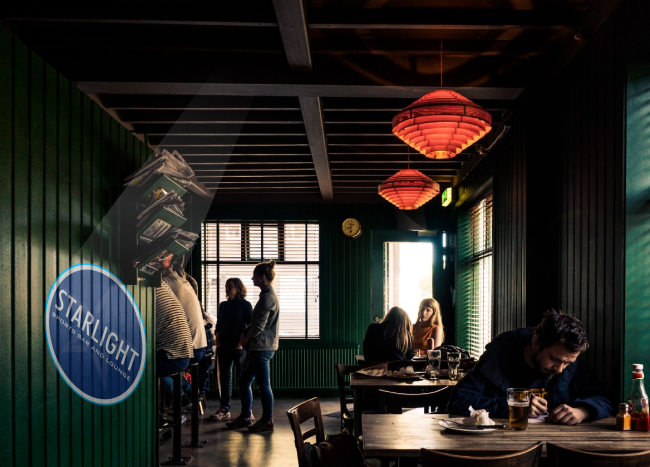
Branded storefront window
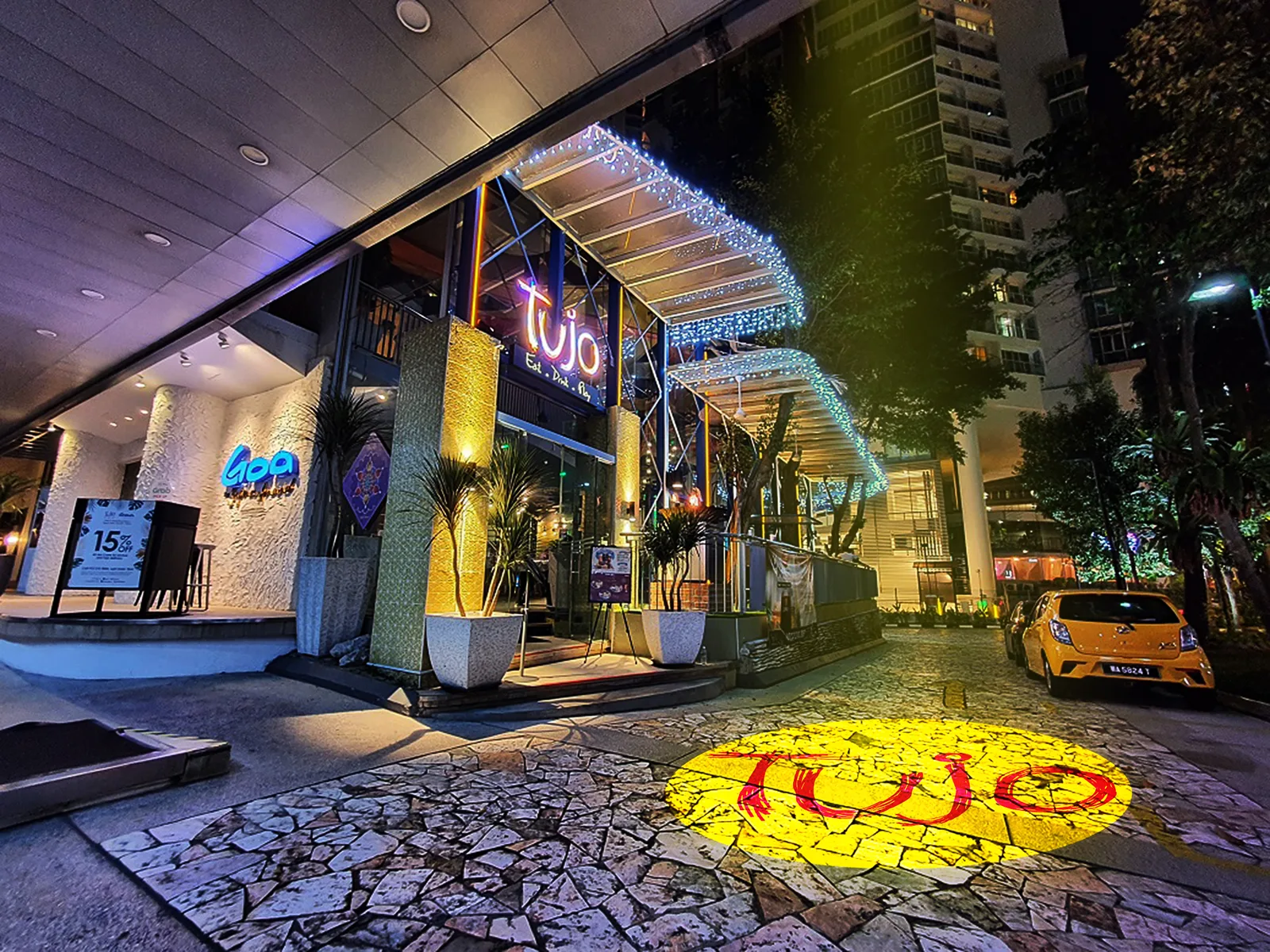
A retail storefront that wants a consistent, photographable pattern every night — the same prism-multiplied brand motif across the glass, with nothing to re-align or re-cue between closing and opening.
Wedding ceremony backdrop
A monogram design held perfectly still behind the altar or arch for the full ceremony, multiplied into a symmetric cluster by the bundled prism lens — no risk of the pattern shifting mid-vow the way an auto-cycling carousel would.
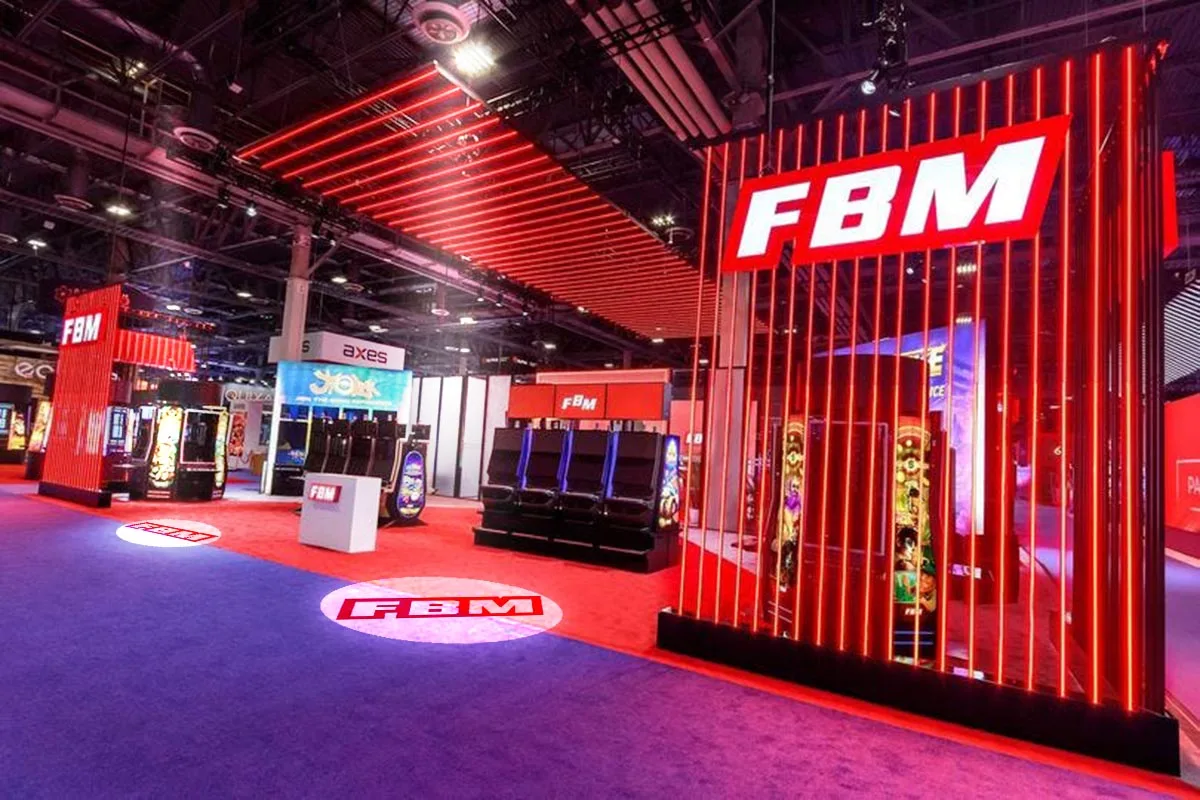
Corporate lobby or trade show booth
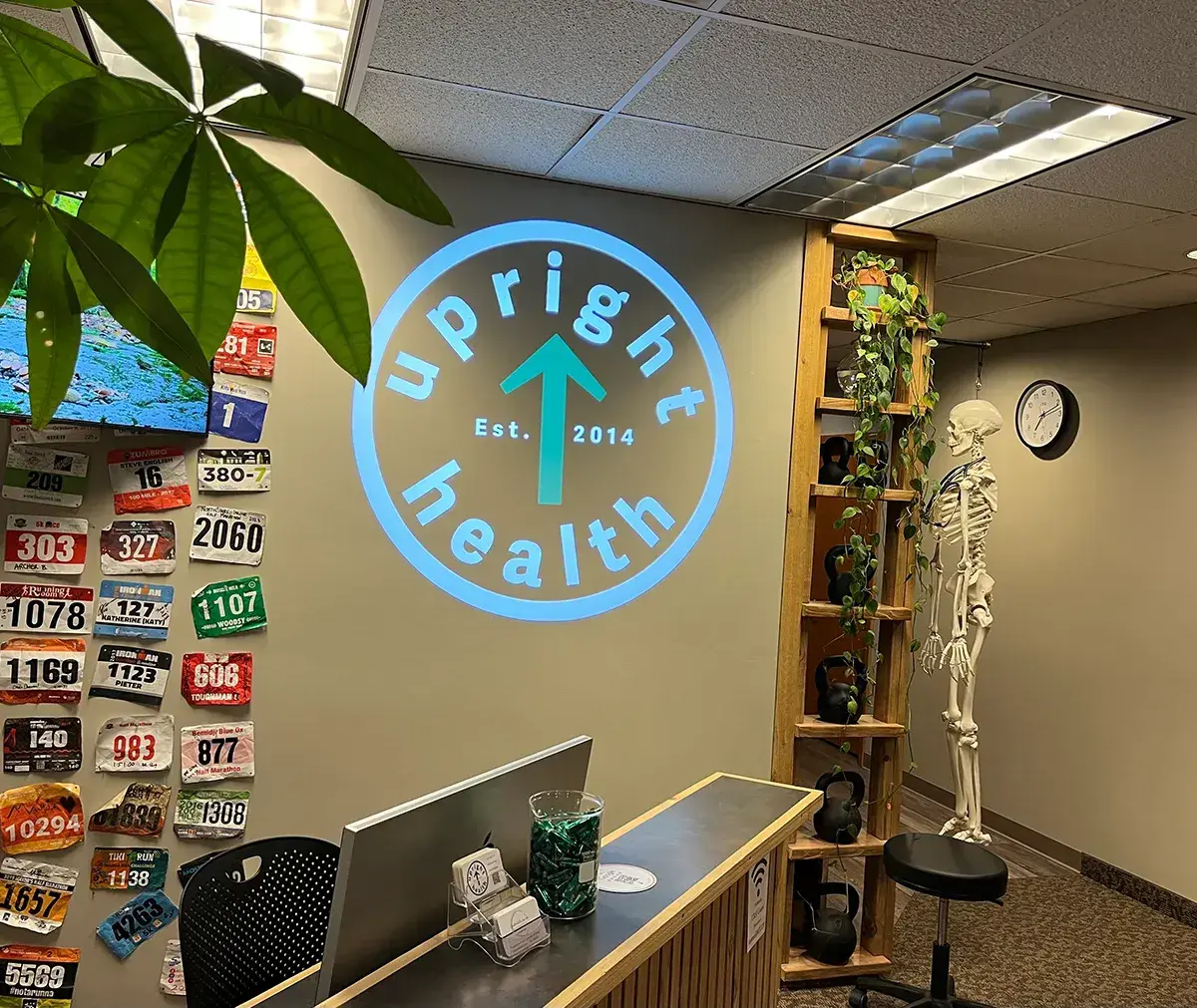
A repeating logo pattern on a lobby wall or booth backdrop that needs to look identical in every photo taken throughout the day, for consistent brand photography and video.
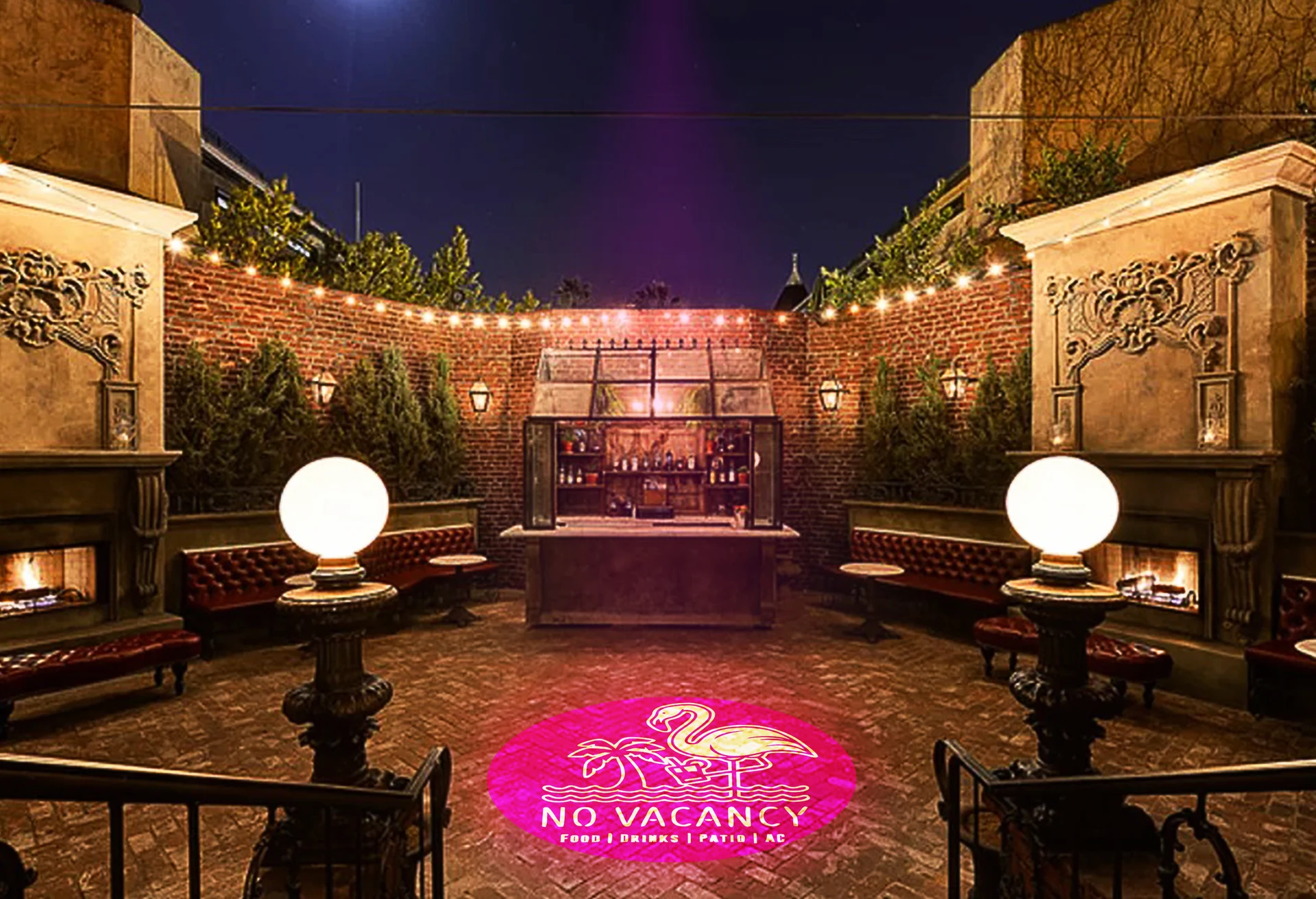
Restaurant or hospitality ambiance
A fixed decorative texture cast across a dining room wall or outdoor patio that sets a mood without drawing attention to itself the way an auto-cycling pattern would.
Looking for the carousel to auto-cycle through all six designs instead of holding one — a dance floor, an active event space, a display meant to draw the eye? That's exactly what the 6-Gobo Spin Projector is built for.
Frequently asked questions
What's the difference between the 6-Gobo Static and 6-Gobo Spin projector?
Both use the identical six-slot gobo carousel and the identical bundled TriScope/PentaScope prism lenses. The Static model positions the carousel once and leaves it there, so the same design stays in the beam until manually changed. The Spin model keeps the carousel turning on its own, automatically cycling through all six designs over time. Choose Static for a consistent branded backdrop; choose Spin for dance-floor or event-energy motion and variety.
What do the TriScope and PentaScope lenses actually do?
They're prism lenses that split whichever single gobo design is currently in the beam into multiple copies arranged symmetrically — TriScope (3-Prism) makes 3 copies, PentaScope (5-Prism) makes 5. On Infinity's standard single-gobo projectors these are paid upgrades ($188.88 and $358.88+). Every KaleidoScope unit, including this one, ships with both lenses included free — you choose which one is preinstalled, and the other rides along as a spare.
How many total image combinations can I get from six gobo designs?
With the PentaScope (5-Prism) lens installed, each of the six designs multiplies into 5 copies — up to 30 distinct combinations. With the TriScope (3-Prism) lens, each design becomes 3 copies — up to 18 combinations, in a more open arrangement. Both lenses are included, so you can try both.
Why does the 6-Gobo Static start at 80W instead of 35W like the 4-gobo version?
The 6-position carousel and its bundled prism-lens assembly need more base light output to project a clear, bright pattern than the smaller 4-gobo carousel does. The 6-gobo line's 80W floor is set so the entry-level unit still produces a comparably bright result, rather than shipping an underpowered low-wattage option that would look dim.
How much does the Infinity KaleidoScope 6-Gobo Static Projector cost?
It ranges from $1,097.88 for the 80W model up to $2,947.88 for the 700W model, with eight wattage tiers in between (100W, 130W, 150W, 200W, 300W, 400W, 500W, 600W) at prices scaled to brightness. Both prism lenses are included at every wattage.
Should I choose 4, 6, or 8 gobos?
Four gobos gives the fewest design slots and the lowest entry price (starting at 35W). Six gobos is the mid-point — room for a fuller rotation of designs than four, without the extra wattage the 8-gobo version needs. Eight gobos gives the most design variety for large-format, high-drama backdrops. If you're unsure, six is the balanced default for most branding and event backdrops.
Can I change the six gobo designs after I buy the projector?
Yes — gobos load into the carousel as individual slides, so you can swap any or all of the six designs for a different event, season, or rebrand without buying a new projector. Use Infinity's custom gobo maker to design new artwork for the carousel.
What wattage do I need for a mid-size venue vs. a large ballroom?
A mid-size venue with typical dimmed evening lighting is usually well served by 130W–150W. A large ballroom with brighter house lighting or a bigger wall to cover typically needs 200W–300W to stay vivid instead of washed out. Use the Projector Finder for an exact recommendation based on your room's distance, image size and lighting.
Find the right KaleidoScope setup for your space ∞
Tell us your room size, distance and lighting, and we'll prescribe the exact wattage — then show you real pricing for the 6-gobo Static or Spin.
Complete your projector setup
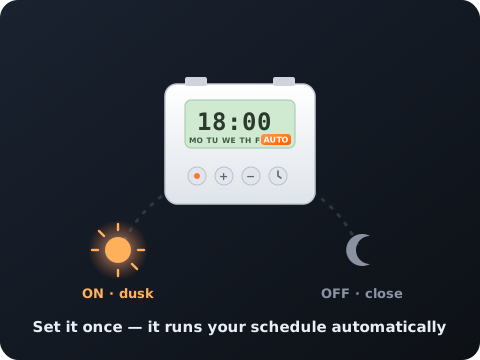
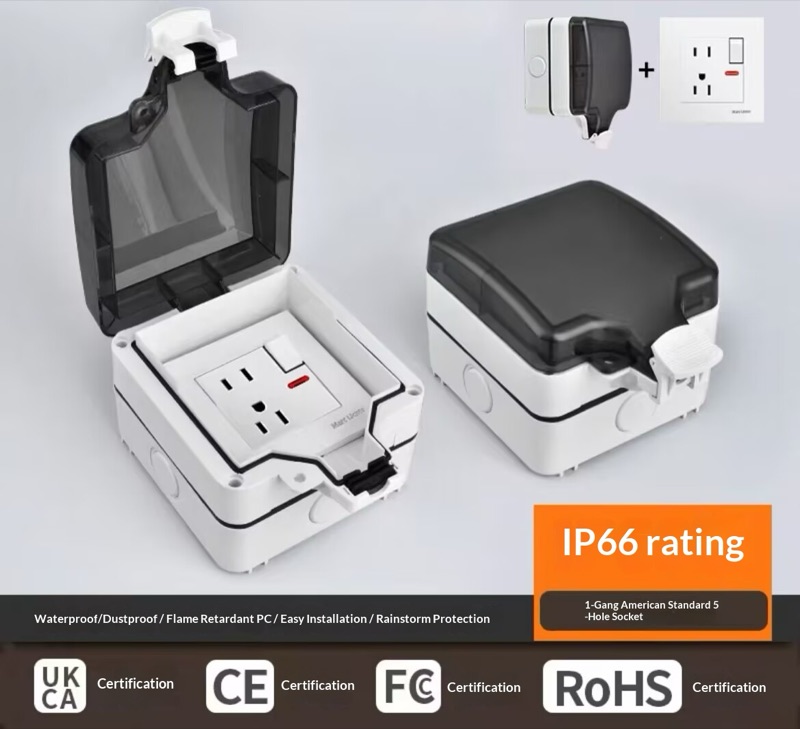
Automate when it runs and protect it from the weather — both add right on any projector.