Aug 06, 2026
Gobo Projector vs. LED Digital Signage
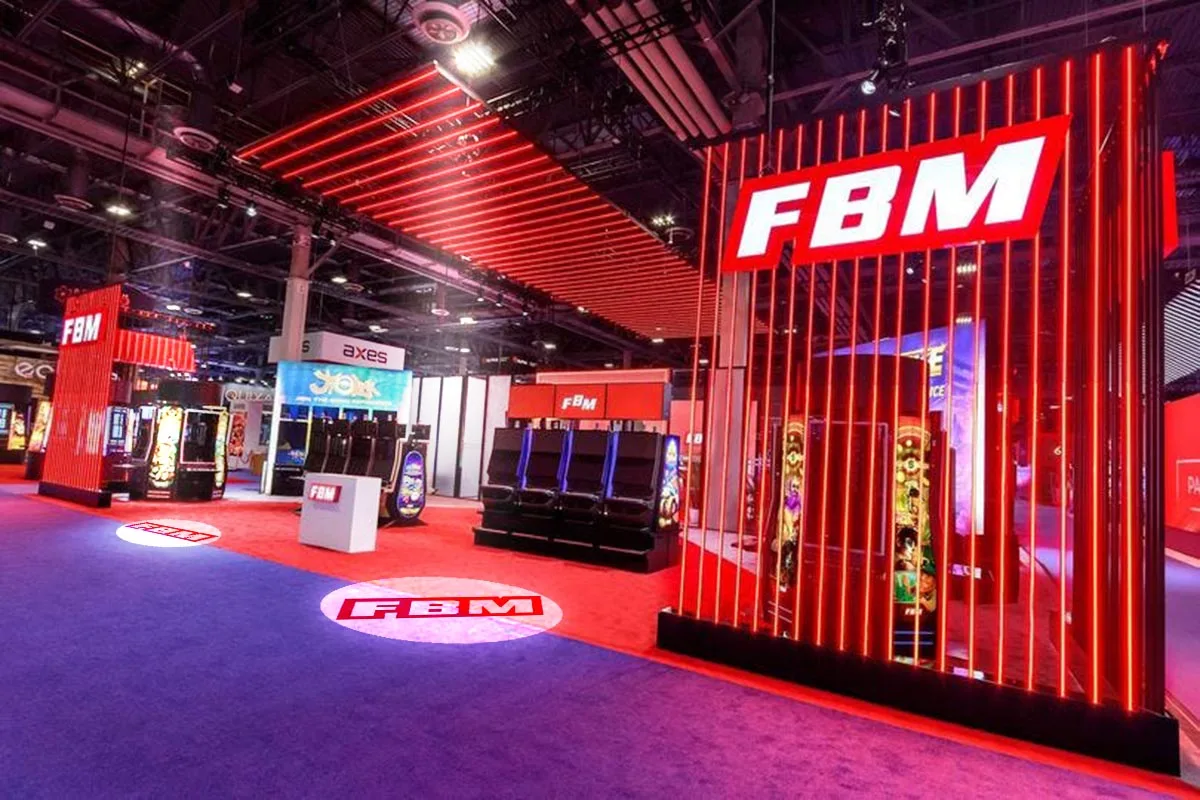

Short answer: Neither wins outright. Digital signage is brighter, self-illuminating and works in any light — the better pick for full daylight or content that needs to look identical every time. A gobo projector costs less up front, has zero per-unit hardware to scale across surfaces, and lets you swap the image instantly — the better pick for evening/indoor use and flexible, changing messages. Infinity sells both, so here's the honest, non-steered comparison.
Most "projector vs. LED display" articles online are written by a company that only sells one of the two — so of course their comparison leans one way. Infinity Projectors sells both gobo/logo projectors and digital signage displays, which means we don't need you to pick a side. Here's what each one is actually better at, backed by real specs and real pricing from our own catalog.
Quick comparison
| Gobo projector | LED digital signage | |
|---|---|---|
| Typical price | $190–$6,200+ | $445–$4,761+ |
| Daylight visibility | Needs shade/evening at low wattage; high-wattage units handle daylight | Self-illuminating — readable in any light, including direct sun |
| Changing the message | Swap the gobo slide — seconds, no per-surface cost | Upload new content instantly — needs the screen itself in place |
| Scaling to multiple surfaces | One projector can light a whole wall or floor | Each screen is its own hardware purchase |
| Install | Plug in, aim, done — no mounting required for most uses | Wall/stand mount, power, and typically a network connection |
| Best light condition | Dusk, evening, indoor, shaded | Any — including full daylight |
Where digital signage wins
Brightness & daylight visibility
A digital display generates its own light, so it reads exactly the same at noon as it does at midnight. A gobo projector relies on ambient darkness to make the image pop — you can push through daylight with higher wattage, but a self-illuminating screen doesn't need that workaround at all.
Durability of the message itself
The image on a screen doesn't shift with mounting angle, surface texture or distance the way a projected image can. If you need pixel-perfect video, animation or fine text at close range, a screen renders it more precisely than a projected beam.
Rich, dynamic content
Split-screen layouts, full video, live feeds and touch-interactive menus are native to a digital display. Our narrow-bezel and stretched-bar signage lines run Android or Windows, support remote content scheduling, and take HDMI input directly.
Consistent everyday reliability
Once mounted, a screen is a fixed, known quantity — no re-aiming after a bump, no ambient-light math to redo when the seasons change.
Where projection wins
Upfront cost
Infinity's entry-level indoor gobo projector starts around $190–$600 — well under even our smallest 21.5" digital signage unit. You're paying for light and optics, not a full display panel.
Instant, free-to-swap content
Changing a gobo projector's image means swapping a small etched disc — seconds, no software, no network. Two full-color gobos are included free with every projector; extras run $39–$79 each.
No per-surface hardware cost
One projector can light an entire storefront wall, floor or building facade. Covering that same footprint with a digital screen means buying (and mounting) actual panel area — digital signage is priced and sized per screen.
Zero-footprint install
A projector plugs into a standard outlet and aims at a surface you already own — no bolts, no wall bracket, no patching holes if you move it later. Most digital signage needs a proper mount and, for Android/Windows models, a network connection.
Real price comparison, side by side
Pulled directly from our own live catalog — not rounded or estimated:
| Product line | Range | Price |
|---|---|---|
| Indoor LED gobo projector | 7W–120W | $190–$600 |
| Outdoor IP65 gobo projector | 35W–300W | $350–$1,200 |
| High-wattage gobo projector | 150W–1500W | $900–$6,200+ |
| Ultra-narrow bezel digital signage | 21.5"–100" | $445–$4,761.10 |
| Floorstanding touchscreen kiosk | ~43" typical | $1,106.85–$3,866.50 |
The honest read: a small gobo projector is the cheapest way to put a message on a wall, period. But once you're comparing a high-wattage gobo system against a large-format signage display, the gap narrows — and at that point the decision should be about brightness and content needs, not price.
Which one actually fits you
| Your situation | Better fit |
|---|---|
| Storefront message that changes seasonally, evenings/indoors | Gobo projector |
| Full-sun outdoor visibility, all day | Digital signage (or high-wattage gobo) |
| Menu board, live video or split-screen content | Digital signage |
| Lighting a large wall, floor or building facade | Gobo projector |
| Interactive touchscreen ordering/wayfinding | Digital signage (touchscreen kiosk) |
| Tightest possible budget for a single sign | Gobo projector |
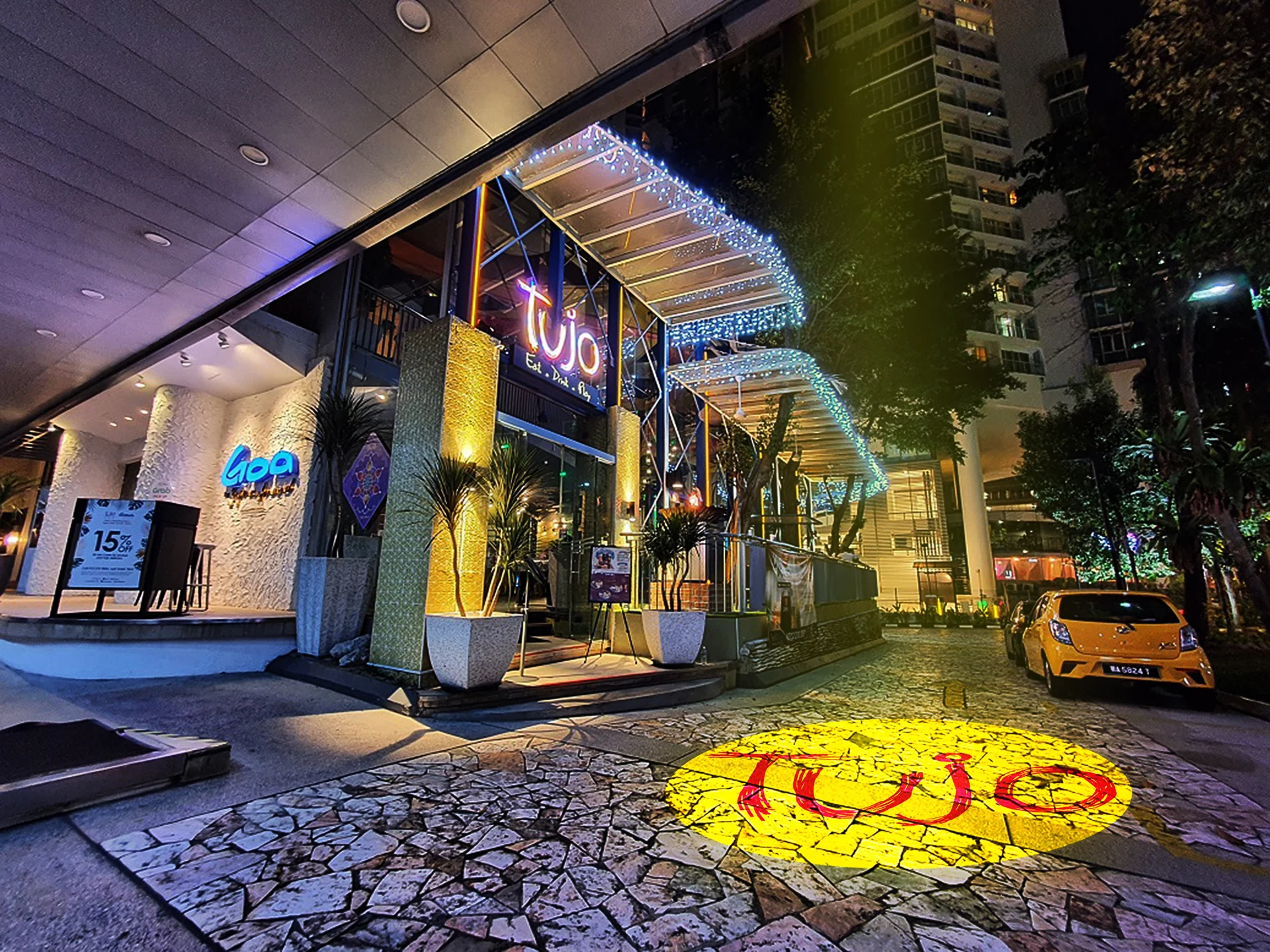
Plenty of businesses use both — a digital menu board inside and a projected logo lighting up the entrance at night. Not sure which fits your space? The free Projector Finder sizes a gobo projector to your distance and lighting in under a minute, or browse the digital signage catalog to compare screen sizes.
Frequently asked questions
Is a gobo projector or LED digital signage better for my business?
It depends on your lighting and content. Digital signage is brighter and self-illuminating, so it works in full daylight and handles video or split-screen content natively. A gobo projector costs less up front, lets you swap the image in seconds for free, and can light a much larger surface (a whole wall or floor) from a single unit. Many businesses use both.
Is digital signage brighter than a projector?
Yes, generally. A digital display generates its own light and reads the same in daylight or at night. A gobo projector's visibility depends on wattage and ambient light — low-wattage units are best for dusk/evening/indoor use, while high-wattage units (150W+) can compete in brighter conditions.
Which is cheaper, a gobo projector or a digital sign?
At the entry level, a gobo projector is cheaper — Infinity's indoor units start around $190–$600, below even our smallest 21.5" digital signage display at $445. At the high end the gap narrows, since a high-wattage gobo system ($900–$6,200+) can cost as much as a large-format signage display ($4,761+).
Can I change the content on a gobo projector as easily as digital signage?
Almost. Digital signage content updates instantly over the network with Android models. A gobo projector's image changes by swapping the etched gobo disc — a physical swap that takes seconds, with no software involved, though it's not a live remote update the way a screen is.
Do gobo projectors work outdoors in daylight?
Yes, with enough wattage. Infinity's outdoor IP65 gobo projectors (35W–300W) and high-wattage line (150W–1500W) are built for daylight and building-exterior use. For all-day, any-light visibility without sizing wattage to conditions, digital signage is the simpler choice.
Not sure which is right for your space? ∞
Answer a few questions and we'll point you to the right projector — or browse digital signage sizes directly.
Complete your projector setup
Automate when it runs and protect it from the weather — both add right on any projector.