Jun 24, 2026
Can You Project Through Glass? Windows, Storefronts & Reflections, Explained
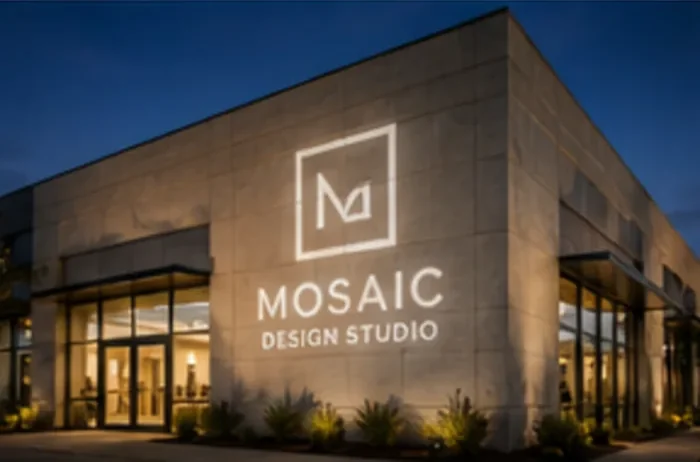
“Can a projector shine through glass?” and “Will my logo show up on a window?” sound like the same question — but they have different answers. Here’s the straight, no-hype version so you know exactly what to expect before you buy.
First — which glass question are you really asking?
“Projection and glass” usually means one of three very different things, and the right answer depends on which one you mean:
- Projecting through a window — the projector sits behind glass (say, inside a shop) and you want the image to land on a wall, floor or sidewalk on the other side.
- Projecting onto the glass — you want the logo to appear on the window itself, like a glowing sign.
- Bouncing a projection off glass — using a window like a mirror to redirect the beam.
Projecting through a clear window: yes, with a few rules
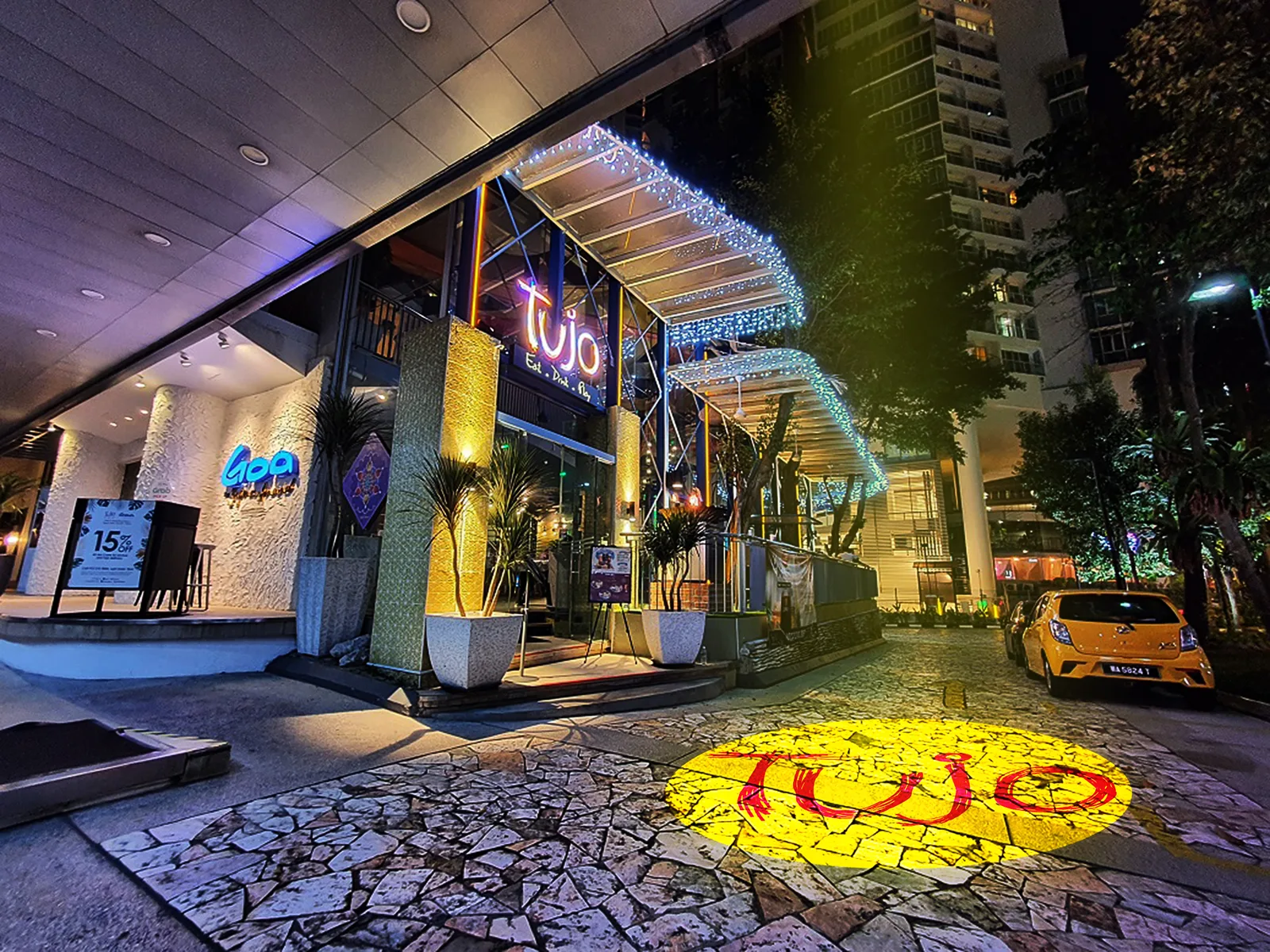
Clear glass is mostly transparent, so a projector can shine through it and cast a crisp image on the surface beyond. It’s a popular setup: keep the projector safe and dry indoors, and light up the sidewalk or building outside. A few things decide how good it looks:
- Aim as straight through the glass as you can. Hitting the window head-on keeps the image sharp. Shooting through at a steep angle adds glare, can create a faint second “ghost” image, and skews the shape.
- Single-pane, clean and clear is best. An ordinary clear pane reflects only a small amount of light (roughly 8%) and lets the rest through — you’ll barely notice the loss.
- Double-pane (insulated) windows cost you more brightness. Two panes mean four glass surfaces plus an air gap — more light lost and a higher chance of a faint double image. It still works; you just step up the wattage.
- Low-E, tinted or coated glass is the tricky one. Those coatings exist to block light and heat, so they can cut your projection’s brightness a lot. If your windows are energy-efficient or tinted, plan on more power — or test first.
- Keep the glass clean. Dust, fingerprints, frost and condensation scatter the beam and soften the image.
Bottom line: through clean, clear, single-pane glass a projection looks great. Through coated or double glazing it still works — you just want a brighter projector to make up for what the glass absorbs. (Not sure how much power you need? Our Projector Finder sorts that out in about a minute.)
Getting the image to appear ON the glass
Here’s the part that surprises people: if your glass is clear, the image won’t stay on the window — the light passes straight through and lands on whatever’s behind it. To make a logo glow on the glass, the glass has to catch the light:
- Frosted or etched glass holds a projected image beautifully — the rough surface scatters the light so you see it right on the pane.
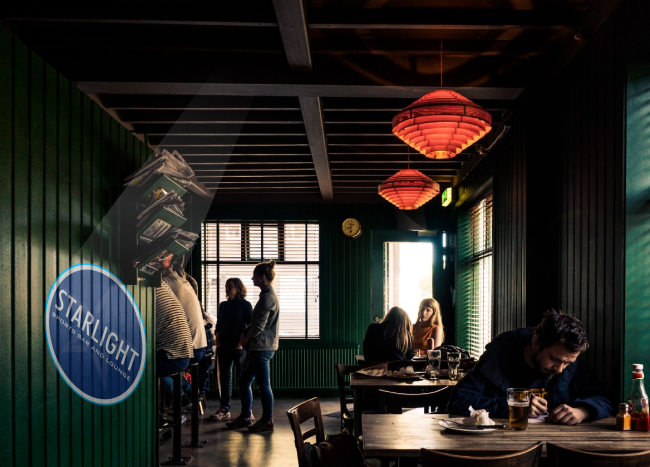
- Rear-projection film — a thin film you apply to a normal window — turns clear glass into a screen. Project from inside and your logo appears to people outside, even on an ordinary storefront window. That’s the trick behind those glowing after-dark window displays.
- A dark interior helps. At night, with the inside dimmed and the film or frosting doing its job, a clear window becomes a brilliant, branded sign.
This is one of the best after-hours moves a storefront can make — your window keeps selling long after you’ve locked up.
Can you bounce a projection off a window like a mirror?
Technically yes, but it comes out faint. Glass reflects only a small slice of the light hitting it (again, around 8%), so a projection bounced off a window is too dim for real signage. If you need to redirect a beam around a corner, use an actual mirror, not a window. (The “floating logo in mid-air” illusions you’ve seen at events use a special angled film and a very bright source — a different technique called Pepper’s Ghost, not a plain reflection.)
Quick guide: what to do for your goal
| Your goal | What works |
|---|---|
| Logo on the sidewalk or wall, projector kept indoors | Project through clear, clean single-pane glass; aim straight; add wattage for tinted or double glass |
| Logo glowing on the window itself | Add rear-projection film or use frosted glass; project from inside and dim the interior |
| Redirect the beam around something | Use a mirror, not glass |
Want to see how your own logo lands before you commit? You can preview your logo on a real space in a few seconds, or browse the gobo logo projectors that do the job.
Frequently asked
Will a gobo projector work through a normal house or store window?
Through a clean, clear single-pane window, yes — aim it as straight through as possible. Through double-pane or tinted/Low-E glass it still works but looks dimmer, so size up the wattage.
Why does my logo land on the back wall instead of on the window?
Because the glass is clear and the light passes through it. Add rear-projection film, or use frosted glass, to catch the image on the pane itself.
Does projecting through glass hurt the image quality?
A little. Every glass surface reflects and absorbs some light, and shooting at an angle can add a faint ghost image. Clean, clear, single-pane glass and a head-on angle keep it sharp.
Can I project onto a tinted car or office window?
Dark tint can act as a partial screen at night, so you may catch a faint image on it — but for a reliable, bright result, rear-projection film is the way to go.
Not sure it’ll work through your glass? Tell us about your window and your space — the Projector Finder picks the right power, or preview your own logo first.
Find my projector →Complete your projector setup
Automate when it runs and protect it from the weather — both add right on any projector.