Jul 30, 2026
Radar vs Camera Sensors: Automating Safety Projection
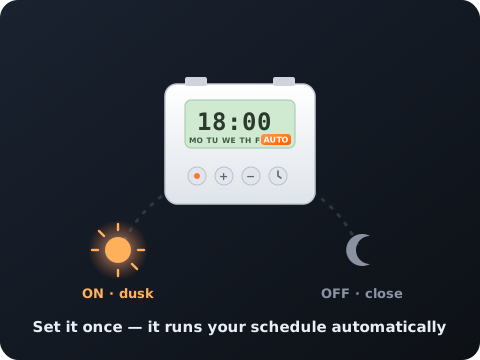
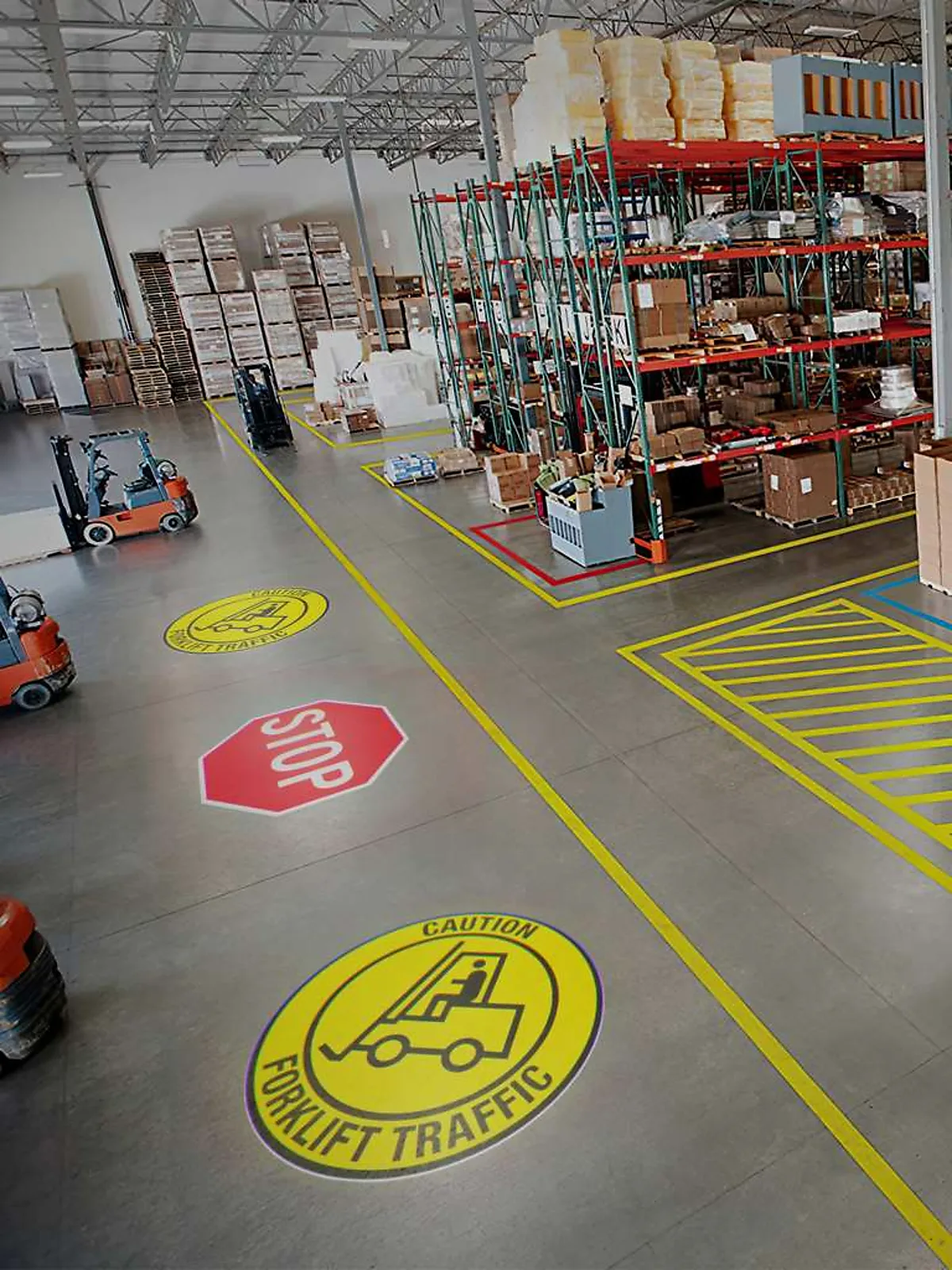
A safety projector on a plain on/off switch is a gamble — leave it running around the clock and you burn energy and LED life, or leave it manual and risk it being dark the one moment a forklift rounds the corner. Detection sensors fix that by triggering the projector automatically, and Radar and Camera sensors are built for different jobs. Here's how to tell them apart, when to run both, and how to size coverage for a bigger facility.
Radar vs. Camera: what each one actually detects
Both sensors do the same basic job — sense something approaching and trigger your projector's warning sign or beam — but they're built to notice different things.
Radar Sensor — $688.88
Tuned for vehicles and forklifts. Radar sensing offers stable detection of approaching vehicles and keeps working in darkness, smoke, dust, fog and rough weather — conditions that can trip up a camera. It doesn't capture images at all, which is exactly why it's the right fit for forklift lanes, loading docks and vehicle aisles.
- 3m–7m detection height, rated -30°C to +60°C
- Weatherproof-ready: 0–95% non-condensing humidity
- Standard relay output wires into your projector or warning system
Camera Sensor — $788.88
Tuned for people and pedestrians, with better detection performance for foot traffic than a motion-only sensor. It runs day and night with IR illumination, and it can distinguish between people, vehicles or objects with adjustable sensitivity and detection zones* — useful for crosswalks and walkways next to vehicle activity.
- Sees down to 0.01 lux in color, 0 lux monochrome with IR
- 3.6mm or 6mm lens options for narrower or wider coverage
- 1/2.8" progressive CMOS sensor, F1.4–2.8 aperture
*Depends on environment and configuration.
The privacy angle: why some facilities choose radar first
Radar detects motion and presence without ever capturing an image — no video feed, no stored footage of anyone on the floor. For facilities where worker privacy or a specific compliance policy rules out cameras in certain zones, that's a real differentiator, not a minor spec. General safety zones, entry areas and vehicle lanes are where radar's privacy-friendly detection tends to be the easy first choice.
When to run both together
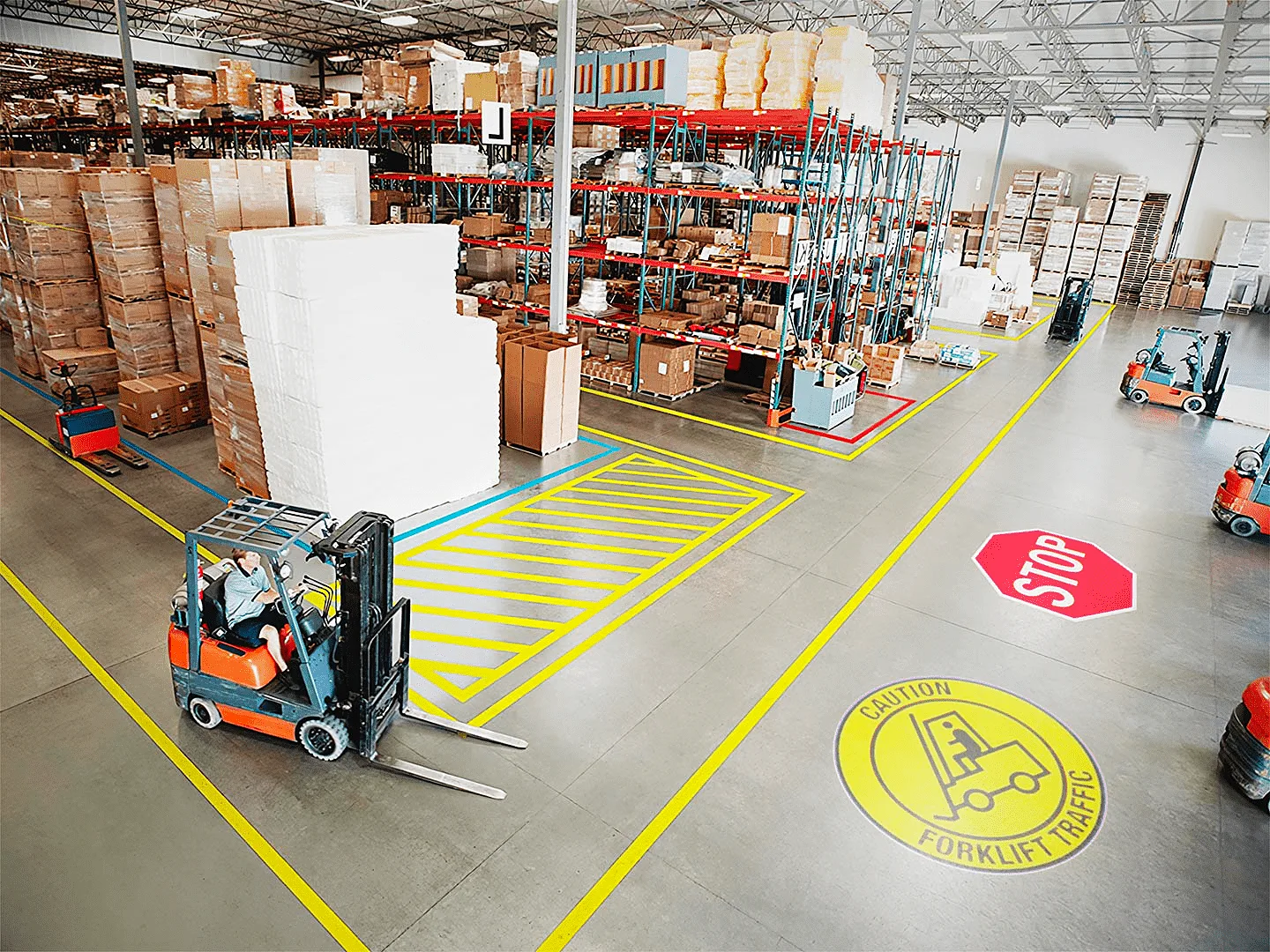
Plenty of aisles aren't purely vehicle traffic or purely foot traffic — they're both. A dock lane that carries forklifts all shift and has people cutting through to reach a break room or restroom is exactly the case for running a Radar Sensor and a Camera Sensor on the same zone, wired independently into the same projector or warning system. Radar covers the vehicles, camera covers the people, and the sign triggers correctly no matter which one shows up.
Sizing coverage for a bigger facility
Sensors now ship with quantity ordering right on the product page, so covering more than one zone is a matter of adding more, not a special order. The sizing rule of thumb: think in zones, not projectors. A long aisle with an approach at each end, or a dock with several doors, generally needs one sensor per approach — not one per projector. Map your zones first, then match a Radar or Camera sensor (or both) to each one.
Which projectors these sensors work with
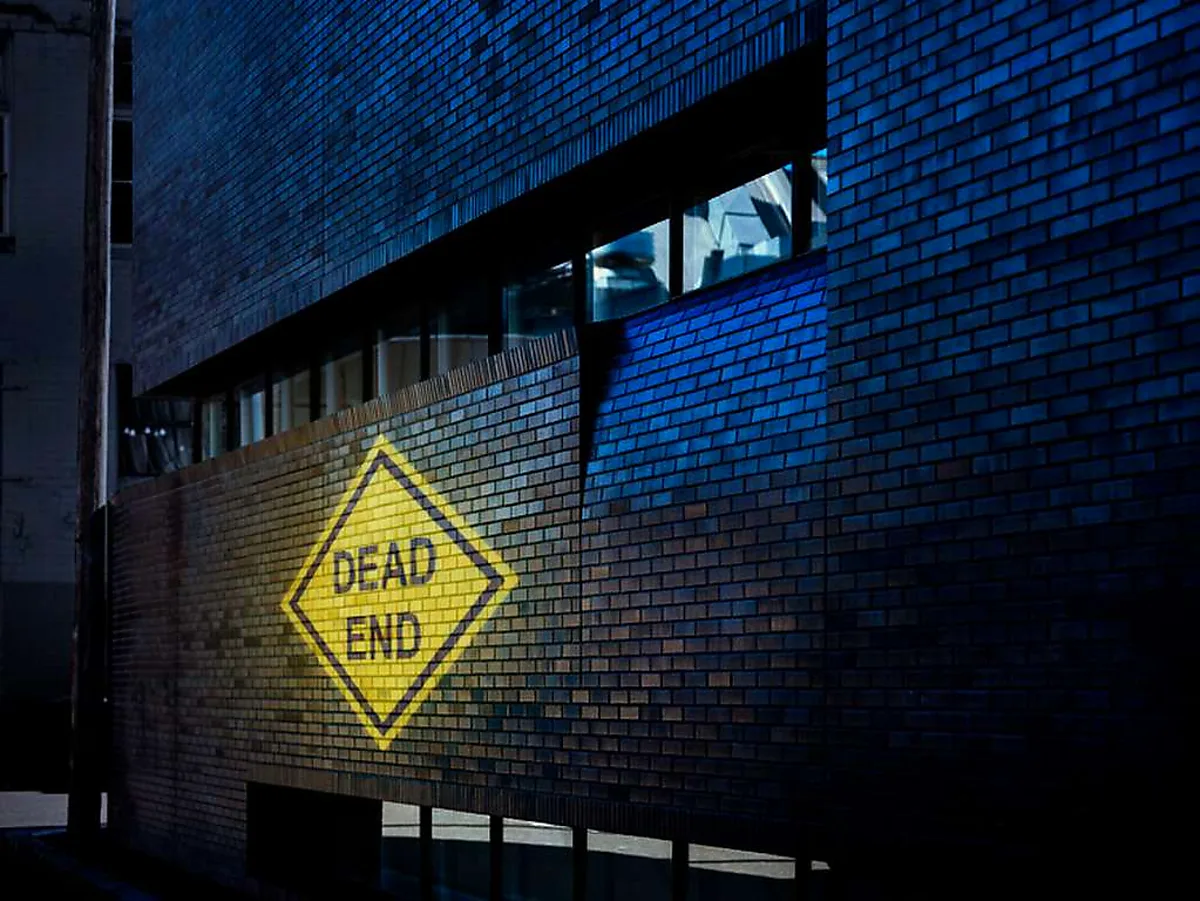
Both sensors are offered as add-ons on every projector in our Industrial Projectors lineup, including the high-wattage Titan, and the compact LY-Pro — a smaller footprint option for tighter industrial spaces. Browse the full category at Industrial Projectors, or see how sensors fit into a complete floor-safety plan on our warehouse safety projection page.
Complete your projector setup
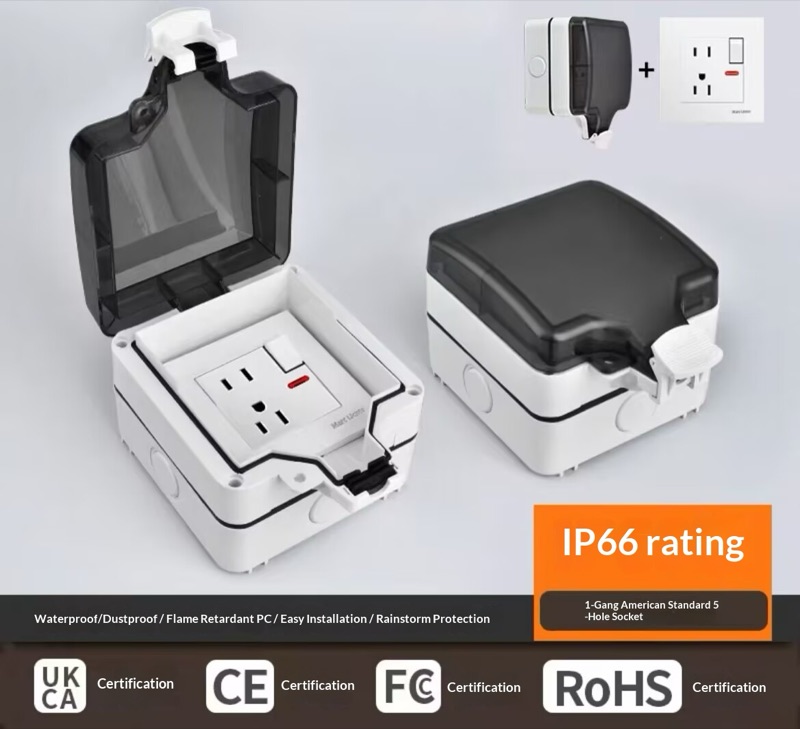
Automate when it runs and protect it from the weather — both add right on any projector.